
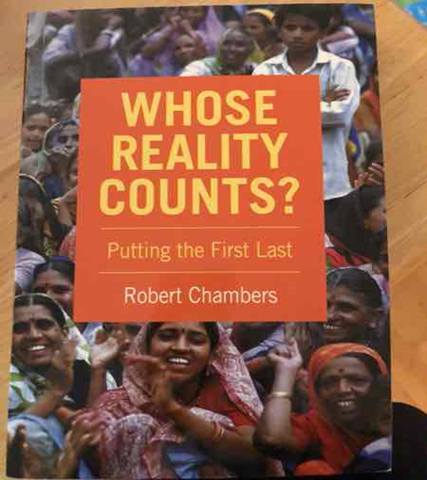
Reading the scholarly article ‘Administering and encountering the poor: Poverty from the above and below in Brunei Darussalam’ – authored by one of my PhD Supervisors, Dr Noor Hasharina Hassan and others – reminded me of the intriguing workshops we had in 2011-12 with Professor Robert Chambers at the Institute of Development Studies, University of Sussex. These workshops revolved primarily around Professor Chambers’ ideas on approaching poverty and development, which include ‘Whose Reality Counts?’, ‘Uppers and Lowers’ and ‘Putting the First Last or Last First’. ‘Uppers’ or ‘the First’, as explained here and here, refers to individuals (such as government officials, NGO officials, professionals, researchers, etc.) who have the power to decide, determine and act. Lowers’ or ‘the Last’, on the other hand, refers to individuals (poor people) or communities with relatively little influence. To achieve lasting poverty eradication, therefore, the Uppers’ views on poverty and the poor must align with the poverty realities of the poor (Lowers). Professor Chambers’ ideas significantly influenced not only my perspective on poverty but also those of other researchers in the field, as we have shared here. Indeed, his ideas have enormous potential to shed further light on what the article ‘…Poverty from the above and below in Brunei Darussalam’ says about poverty eradication in Brunei and what could be done to ensure that any efforts in this regard have a lasting impact.
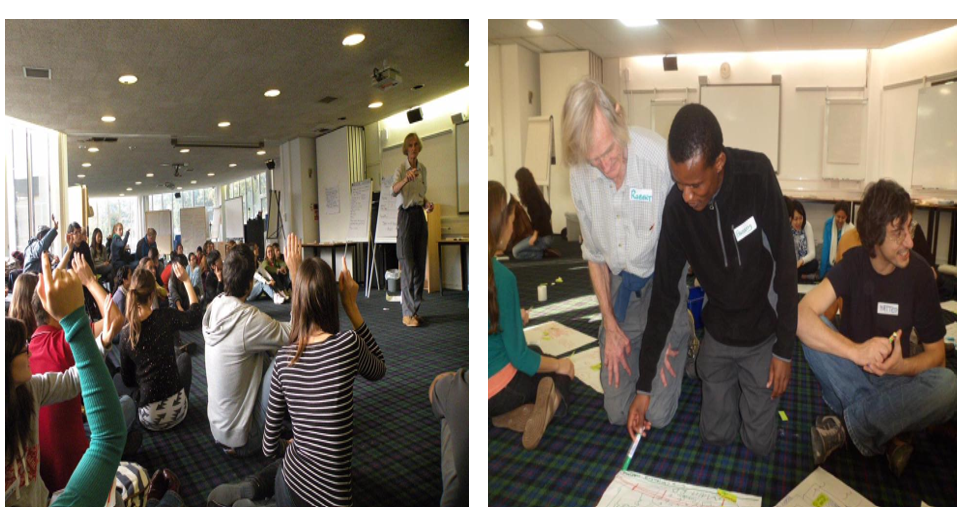
Professor Robert Chambers Participatory Workshop
The words ‘Poverty from the above and below in Brunei’ in this article relate to how the Government of Brunei views or perceives poverty and how this compares to the poverty experiences of the poor within the country. In order to gain an understanding of this, the authors interviewed both government officials and people living in poverty.
The article opens with the words of a poor Ghanaian, “Poverty is like heat; you cannot see it; you can only feel it; so to know poverty you have to go through it”, captured in a World Bank study on the voices of the poor around the world. As the article stresses, therefore, there is “much hidden beneath” one’s personal experience of poverty. People living in poverty, as argued in this particular article and in our article found here, face multiple and unique realities that cannot be homogenised and reduced to a simple figure. For this reason, the article asks: “Is it ever possible to tackle poverty from the above?” Indeed, as stressed earlier, a lasting impact on poverty eradication is only achievable if the view or construct of poverty and the poor from above aligns with poverty realities or experiences of the poor. That said, let us see what the article says about poverty eradication in Brunei.
Brunei is, without a doubt, committed to poverty eradication. As the article establishes, the country has a well-funded, generous, resilient and comprehensive welfare system, which, as I blogged here and here, has contributed significantly to poverty eradication and to the high quality of life that Bruneians enjoy. The article points out, however, some disconnections between poverty construct and eradication policies and the poverty experience of the poor within the county. As learnt from the article, the disconnects are evident in several aspects, the three key ones of which are:
- The way in which the government construes or conceptualises poverty versus the poverty experiences of the poor: As the article and ours (found here) observe, the government of Brunei, through its key welfare agencies: JAPEM/ the Department of Community Development and the Brunei Islamic Religious Council (MUIB), predominantly defines poverty through the income lens. The poverty experience of the poor is, however, multidimensional and complex. The realities of the poor captured in this article, therefore, are not only financial but also economic, social, material and environmental in nature, and these dimensions of poverty intertwine. In my PhD study and our upcoming book, we found similar dimensions and observed material and seasonal dimensions, too, which are mutually interconnecting and reinforcing, making the nature of poverty in Brunei not only multidimensional but also complex. According to the recommendations outlined in the article, it is important, therefore, for poverty eradication measures within the country to consider the multidimensional and complex nature of poverty in Brunei so as to effectively bridge this disconnect.
- Theory of small business support and entrepreneurial training versus the realities of the poor: As the article points out, the poor appear to “need to fit the policies designed and on offer, rather than conditions of living shaping the policies.” Taking off or scaling up and achieving profitability for small enterprises remains a challenge for some poor people due to inherent factors such as limited social capital, small markets and urgent needs such as food. During our studies on poverty in Brunei, we have encountered similar experiences. We have heard, for example, of households that struggle to have their small business take off as they use capital to meet urgent food needs and have low levels of confidence due to poverty conditions. As the article further explains, some poor people face particular challenges in accessing government training programmes, which include transport constraints, school runs, caregiving responsibilities and long-term health issues.
- Lack of ambition: As the article stresses, among welfare agencies, poverty is sometimes attributed to a lack of ambition, which includes a reluctance to make an effort, try something new or participate in business skills training, not aspiring to high-status professions and parents “simply unperturbed about their children’s lack of academic progress, especially girls, with the result that the children mimicked the adults.” The article, however, challenges this belief about ‘lack of ambition’ as contributing to poverty in Brunei, arguing that failure to access business skills training, for example, is often due to the particular challenges mentioned earlier. The article also finds that poor people understand the significance of education, but their children may struggle to succeed in school due to various constraints, such as a lack of a home environment that is conducive to learning and the need to find work at a young age to cover their educational expenses and contribute to the financial needs of their household.
In light of the foregoing, “Is it ever possible to tackle poverty from the above?” As previously mentioned, lasting progress in eradicating poverty is only achievable if the view or construct of poverty and the poor of welfare agencies is in line with the actual poverty experiences of the poor. What is necessary, therefore, is to address the disconnects observed in the article, including the ones articulated above. This could be accomplished by making the conceptualisation and eradication of poverty more participatory, involving the people who are actually living in poverty. In addition, as the article suggests, certain poverty eradication programmes need to be re-adjusted so they are better aligned with the specific situations and realities faced by people living in poverty. Lastly, there is a need for a comprehensive understanding of the characteristics of poverty and their implications for poverty analysis, both of which are discussed in detail in our scholarly article found here.

