
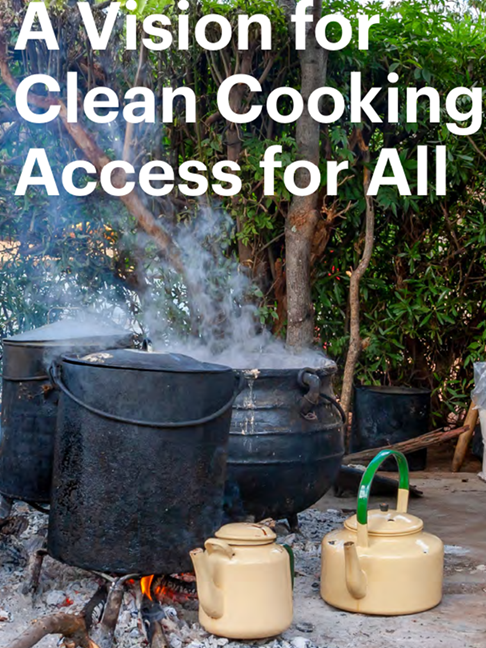
Photo credit: International Energy Agency
Next week, on 14 May 2024, the International Energy Agency (IEA) will convene a Summit on Clean Cooking in Africa at the UNESCO headquarters in Paris. This summit will be attended by government officials, most of them from Africa, and invitees from private companies, international organisations and civil society. The summit will focus on the urgent goal of “Making 2024 the pivotal year to address the lack of clean cooking in Africa.” Given the current levels of access to clean cooking in African countries and the fact that we are almost halfway through 2024, can Africa possibly make this year a turning point for access to clean cooking? It is certainly possible! Accordingly, this blog post proffers three (3) recommendations for improving access to clean cooking in Africa. Before it does so, however, it sheds light on the current levels of access to clean cooking throughout the continent.
The current levels of access to clean cooking in Africa
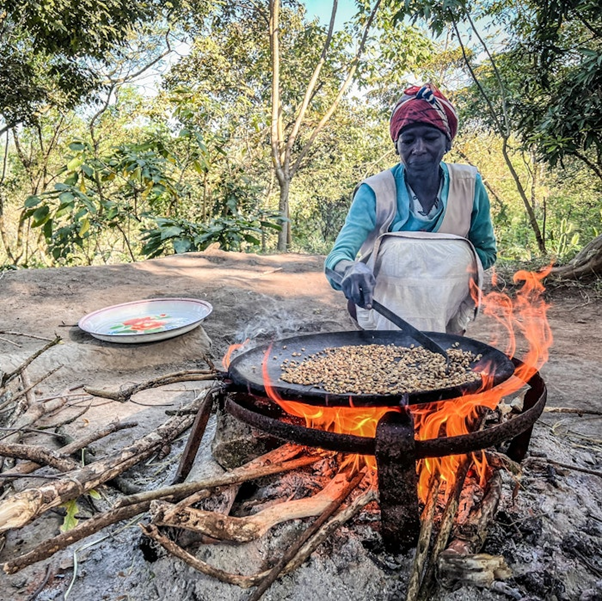
Photo credit: International Energy Agency
Levels of access to clean cooking in Africa are, by and large, very low. In other words, the majority of Africans have no access to clean cooking: they rely on open fires and traditional stoves, which are detrimental to their quality of life, as shared here and here. As highlighted in the Concept Note of the Summit on Clean Cooking in Africa, 4 in 5 African people have no access to clean cooking. In 2021, of the 55 African countries, 39 (71%) had access to clean cooking levels ranging from 0 to 48 %: Burundi, Liberia and South Sudan had no access to clean cooking, while countries such as Guinea, Mali and Uganda had only 1% access. Of the 16 countries that had access to clean cooking levels above 50%, only 4 achieved universal (100%) access (See the Graph below)
Table: Countries that had clean cooking access levels in the range of 0 to 48% in 2021
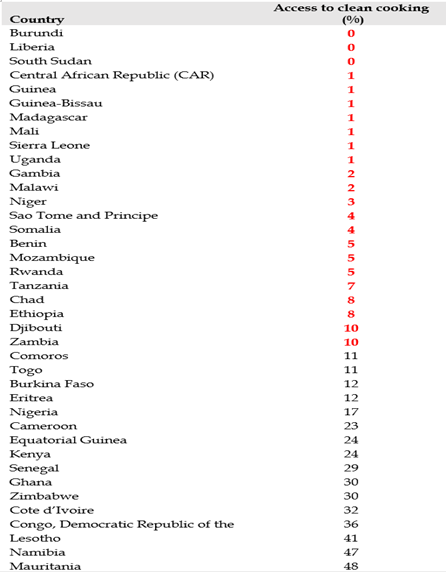
Source: https://trackingsdg7.esmap.org/
Graph: Countries that had clean cooking access levels above 50% in 2021
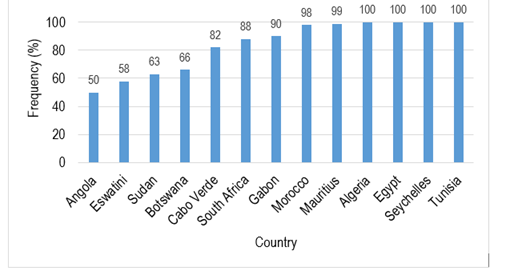
Source: https://trackingsdg7.esmap.org/
Recommendations for enhancing access to clean cooking in Africa
The current status of access to clean cooking in Africa, as shared above, may raise doubts about the possibility of a significant increase in access to clean cooking across the continent by the end of 2024. However, it should be remembered that the potential for significant improvement always exists. Despite the setbacks caused by the COVID-19 pandemic, energy crisis and inflation, if African countries take decisive action, levels of access to clean cooking will improve significantly. In this regard, the following three recommendations may be considered:
Greater political will: Enhancing access to clean cooking is, as I blogged here, a “matter of will to take action.” Without a willingness to act on the issue of access to clean cooking, it would be impossible to make 2024 the turning point for clean cooking in Africa. According to the ‘A Vision for Clean Cooking Access for All’ report, many countries do not have national clean cooking policies or targets, and most of these countries are in Sub-Saharan Africa. This could explain why access to clean cooking in Africa is very low. If significant progress is to be made by year-end in addressing the lack of clean cooking in Africa, African governments need to be more committed to ensuring access to clean cooking for all. They need to develop national policies or set national targets for access to clean cooking, set up national clean cooking steering committees, mobilise support from civil society and the private sector on access to clean cooking efforts, make sufficient resources available for improving access to clean cooking, ensure that clean cooking efforts are evidence-based, track progress and provide long-term incentives.
Creating a favourable investment environment for clean cooking: As highlighted here, lack of funding is also impeding access to clean cooking in Africa. Sub-Saharan Africa alone needs 4 billion United States Dollars annually to achieve universal access to clean cooking, as highlighted here and here. African countries could not raise billions of dollars for clean cooking as most of them, as seen here and here, are grappling with high national debts and finding it difficult to get credit due to unpaid loans. They could not rely on Official Development Assistance (financial aid), which is also decreasing at an alarming rate. The only hope for Africa is to open doors for investment in clean cooking. Fortunately, investors in the Voluntary Carbon Markets are prepared to invest in clean cooking and have already set the ball rolling. They are actively seeking opportunities to invest in clean cooking initiatives and have already taken significant steps in this regard. To unlock this promising investment opportunity, African countries need to create a conducive investment environment for clean cooking.
Nurturing behavioural change, particularly in rural Africa: Not all Africans using unclean cooking fuels and inefficient cookstoves lack access to clean cooking. Non-Governmental Organisations and private companies have given free improved cookstoves to households or communities without access to clean cooking in countries such as Zimbabwe, Nigeria, Malawi and Zambia. However, as studies here, here and here reveal, there has been a very low uptake, especially in rural areas, in countries like Ethiopia, Burkina Faso and Mali, mainly as a result of behavioural factors. In order to encourage behavioural change towards the adoption of clean cooking, it is highly recommended that governments and other clean cooking service providers invest their time and resources in nurturing such change.
The Summit on Clean Cooking in Africa is, therefore, taking place at a crucial moment. As part of its agenda, the Summit will elevate clean cooking on the global agenda, mobilise financial commitments and develop a roadmap of concrete action-oriented strategies on financing, carbon markets, policies and partnerships. For this reason, the Summit could be a catalyst for making 2024 a turning point in improving access to clean cooking in Africa. Improving access to clean cooking will be a big win for Africa since it could, as I blogged here, contribute significantly to the eradication of multidimensional poverty. I look forward to following and learning a lot from the proceedings!
 Blessing Gweshengwe PhD