
Photo credit: IIED
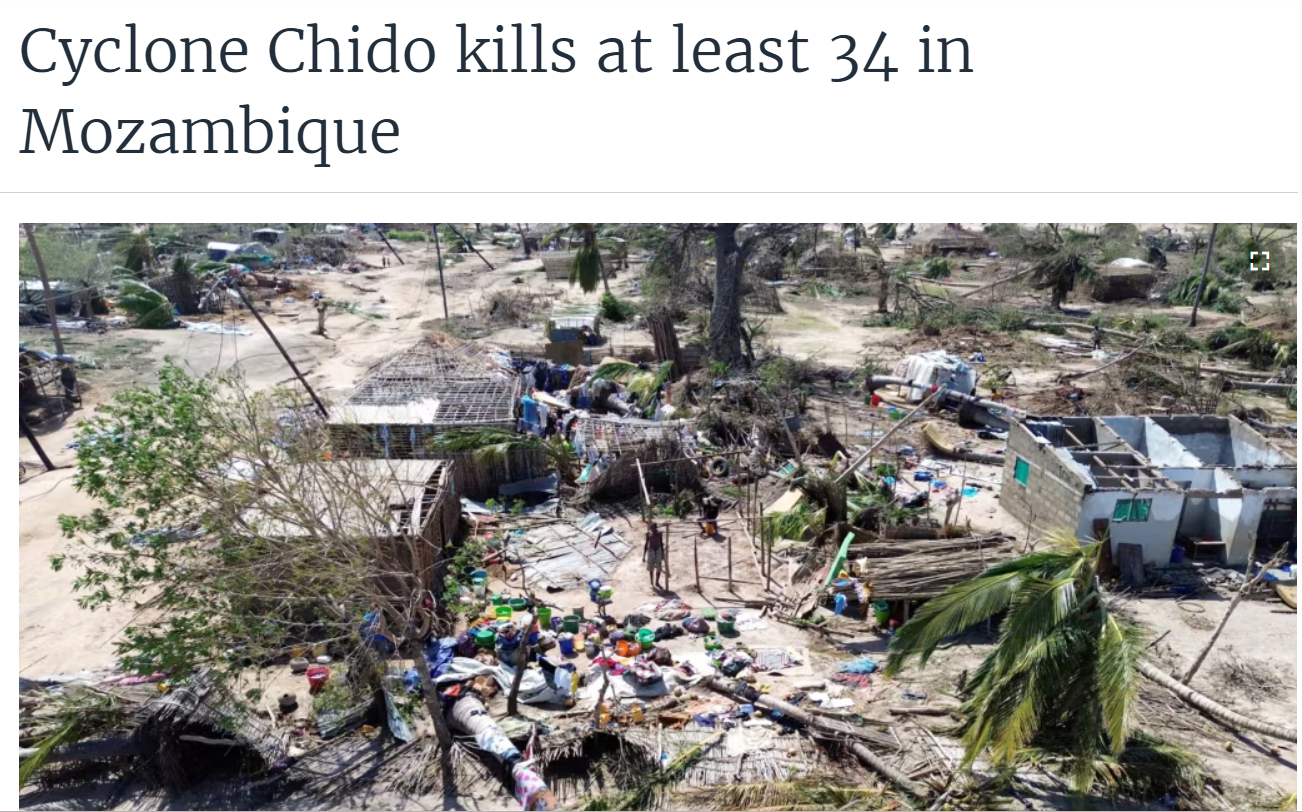
As I write this blog, Cyclone Chido is calming down in Zimbabwe, my home country, after causing significant destruction of houses, infrastructure and livelihoods, as well as injuries and tragic loss of life in Mayotte, Madagascar, Mozambique and Malawi, as reported here, here, here and here. The cyclone comes on the heels of one of the worst El Niño-induced droughts in human history, which has significantly impacted Zimbabwe and its neighbouring countries. These extreme weather events are not just occurring in Southern Africa but are becoming increasingly frequent across the world, as seen, for example, here, here and here.
Source: Voice of America
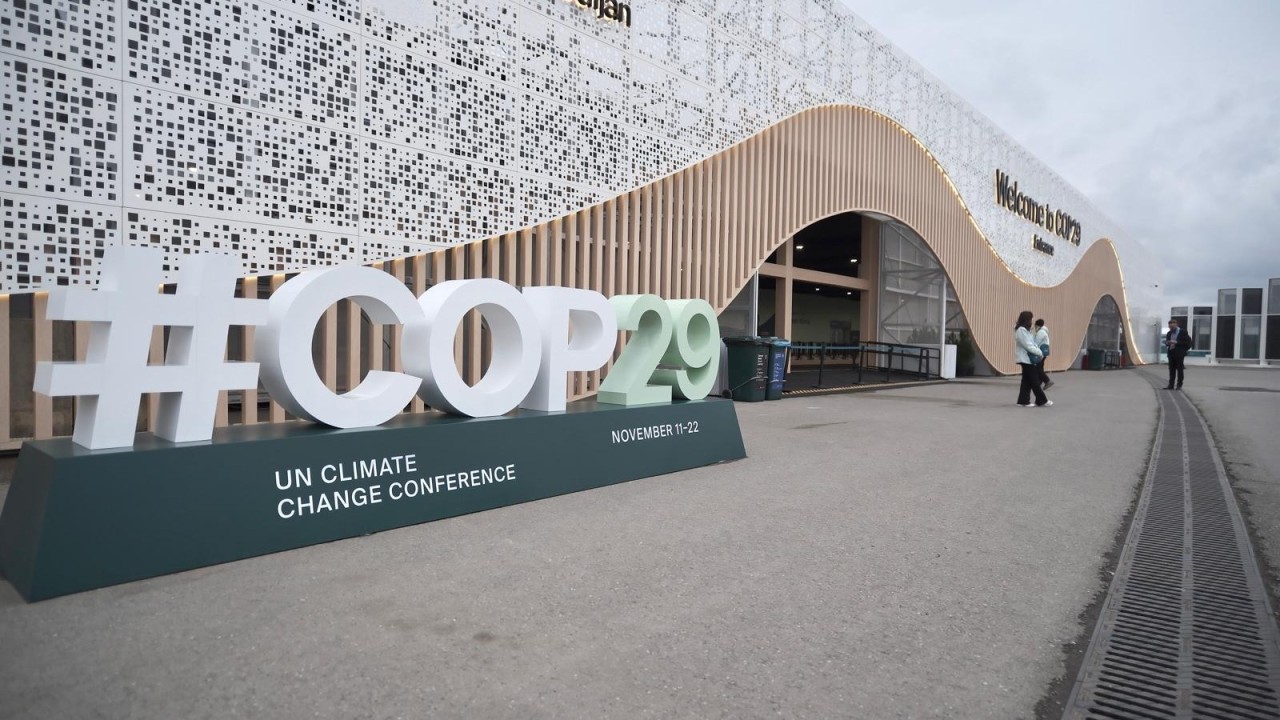
The rise in such extreme weather events highlights climate change as one of the defining challenges of our time. In a bid to address this, governments, NGOs, business people, climate change activists and the big names in politics meet every year to renew or reaffirm their commitment to combating climate change at the Conference of the Parties to the UN Framework Convention on Climate Change, famously known as COP. This year’s COP (COP29) was held last month (November) in Baku, Azerbaijan. Although the COP process is facing criticism for failing to serve its intended purpose effectively, it is, in the words of the Azerbaijani COP29 Lead Negotiator Yalchin Rafiyev, “better than any alternative, taking into account we don’t have any alternative process”.
As I blogged here during the COP28 UAE proceedings, the COP process is crucial not only for combating climate change but also for eradicating poverty. We cannot, as also shared in the IIED Climate and COPs discussion here, discuss and tackle climate change without taking into account poverty and vice versa, as the two are intrinsically interconnected. Ignoring one will hinder progress in addressing the other. This implies that:
- COP or climate change discussions or negotiations should purposefully incorporate poverty eradication, just as discussions on poverty should intentionally include climate change. This ensures effective solutions to either challenge.
- COP or climate change agreements relating to climate finance, mitigation, and adaptation should be framed, executed and assessed with a focus on poverty eradication. This is necessary because people living in poverty are hardest hit by climate change, and poverty is a barrier to effectively addressing climate change mitigation and adaptation. Likewise, poverty interventions should include a strong focus on climate change so as to ensure success in eradicating poverty, as I shared here. Fortunately, the future of poverty eradication is inclined towards measures that simultaneously tackle poverty and climate change, such as Nature-based Solutions (NbS), as I discussed here.
- For the most part, when incorporating poverty into other interventions, poverty is not well construed. It is typically construed as a lack of income when, in actual fact, poverty is more than that. For this reason, when incorporating poverty in climate change mitigation and adaptation, there is a need to adopt a definition of poverty that truly reflects what poverty is, as we discussed in a scholarly article here. It is also essential to be guided by the characteristics of poverty, as discussed in our scholarly article found here. Lastly, the contribution of climate change interventions to poverty eradication should be assessed using a multidimensional poverty measure.
When all is said and done, a fragmented approach to addressing climate change and poverty will inevitably fail to solve both challenges. Efforts to tackle climate change and poverty need to be integrated, and obstacles to achieving this integration should be eliminated. Therefore, taking into account the thoughts shared above, making significant strides to limit temperature increases to 1.5 degrees Celsius by the end of this century and attain the No Poverty Goal (SDG1) by 2030 is indeed possible!
 Blessing Gweshengwe PhD
Pingback: Poverty’s Stubborn Persistence, Clean Cooking and Climate Change: The 2025 Global Poverty Wake-Up Call that No One Can Afford to Ignore – Blessing Gweshengwe PhD