
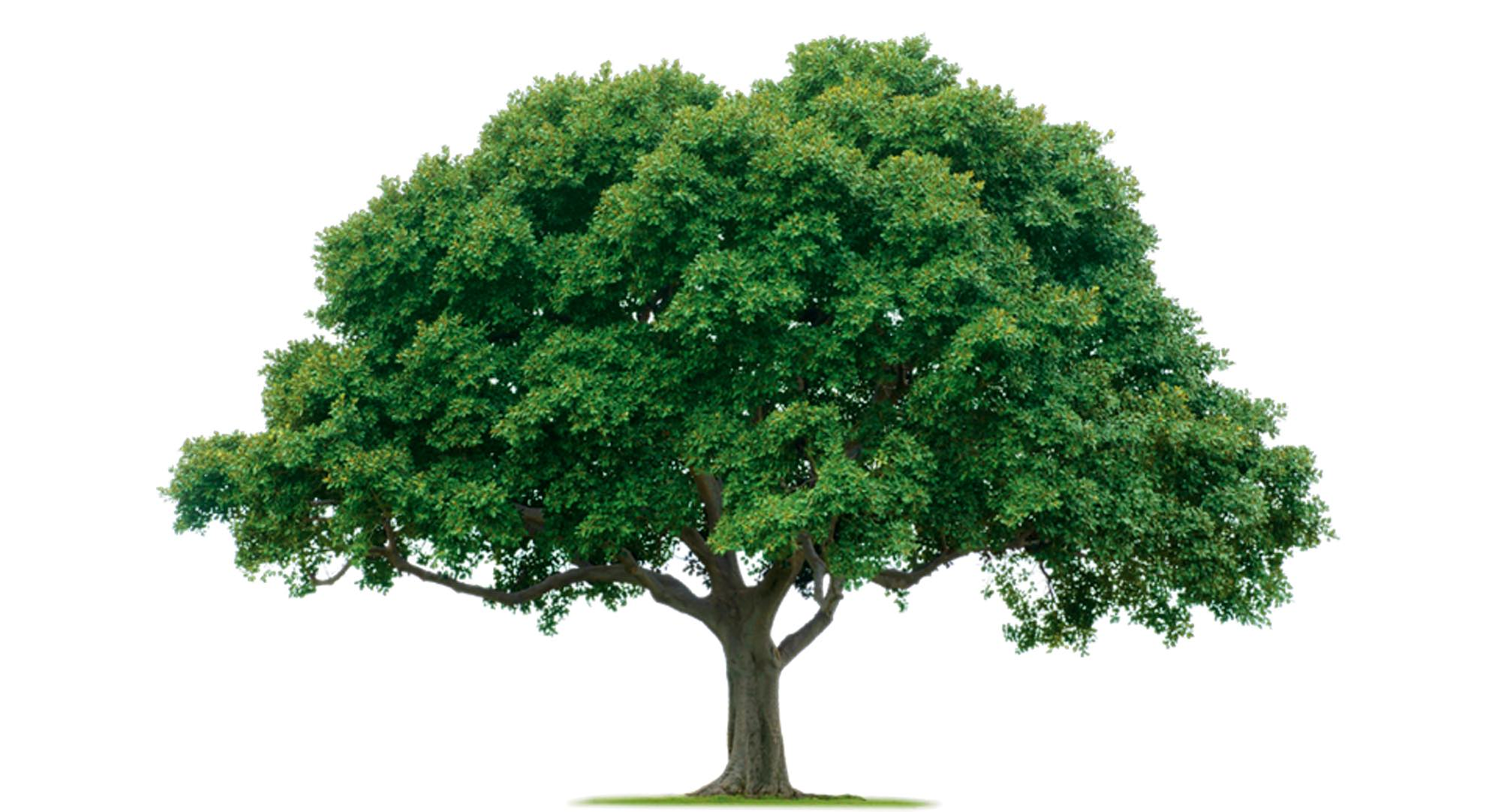
As I was exploring the potential focus for my MA thesis, I had the opportunity to consult with Professor Robert Chambers to discuss my ideas and get his insights on them. What was foremost on my mind was the issue of seasonal poverty or seasonality, prompted by Robert Chamber’s work on the topic, the discussions we had during his participatory workshops at the Institute of Development Studies and the conversations about seasonal poverty at the launch of the book: ‘Seasonality, Rural Livelihoods, and Development’ at the University of Sussex. In my engaging conversation with Chambers, what stood out was the role that trees play in helping the rural poor deal with seasonality and other forms of poverty. However, it emerged that the importance of trees in ending rural poverty was often overlooked, an observation that Chambers and his co-researchers discussed here, here and here, for example. Despite my strong rural background, I struggled to see how trees could contribute to the eradication of rural poverty beyond providing food and income from the sale of fruits and firewood for cooking and firing clay bricks. These livelihood options, in which I was very much engaged, having grown up in rural Zimbabwe, were and still are unsustainable.
It is only recently that I have come to fully appreciate the significant impact that trees could have in ending poverty. This realisation was engendered by the growing interest worldwide in Nature-based Solutions (NbS) as effective strategies for tackling societal challenges. NbS, of which trees are a significant component, are “actions to address societal challenges through the protection, sustainable, management and restoration of ecosystems, benefiting both biodiversity and human well-being.” Where poverty eradication is concerned, NbS could be revolutionary.
The world is, as I blogged earlier here, off track in its efforts to end poverty by 2030, underscoring the urgent need for transformative approaches to poverty alleviation. Such approaches include NbS, which hold enormous breakthrough potential in the ongoing battle against poverty. NbS contribute to the eradication of poverty in all its forms. I discussed this, along with compelling reasons for considering NbS in poverty eradication, in my latest publication with Springer Nature, which is available (Open Access) here.
As I discussed in the article, NbS are uniquely positioned to help eradicate all six dimensions of poverty – as summarised hereafter.
Financial Poverty – NbS address this form of poverty by:
- Increasing household income through premium-priced sustainable products, enabling income generation via carbon and SDG credits, etc.
- Enhancing access to affordable credit or loans.
- Helping communities to become debt-free and encouraging savings.
Economic Poverty – NbS help to eradicate economic poverty by:
- Creating jobs in conservation, farming, eco-tourism, etc.
- Supporting entrepreneurship.
- Improving access to domestic and international markets for sustainably produced goods.
- Enhancing human capital through education and skills training initiatives.
Material Poverty – NbS contribute to addressing this by:
- Enabling the accumulation of household assets.
- Improving access to basic services.
- Enhancing food security and nutritious diets.
Social Poverty – NbS help to eradicate social poverty by:
- Strengthening social capital through collective community action.
- Promoting peace in post-conflict or resource-scarce communities.
- Advancing gender and child equality through specific benefits to women and schoolchildren.
- Improving health outcomes through increased income, healthcare access, and environmental improvements.
Environmental Poverty – NbS help to address this form of poverty by:
- Promoting sustainable land and resource management.
- Supporting biodiversity conservation.
- Enabling climate change mitigation and adaptation.
Seasonal Poverty – NbS help to eradicate this specific form of poverty (which manifests across other forms of poverty) by:
- Stabilising incomes and food supply across climatic cycles.
- Reducing vulnerability to seasonal shocks and stresses.
Reasons why NbS Are Essential for Poverty Eradication
- NbS are a solution to climate change, which increasingly threatens poverty reduction efforts.
- Dignity and inclusion: communities are not passive beneficiaries but active participants
- Sustainable financing, especially through growing carbon markets.
Although NbS have enormous potential to contribute to eradicating poverty in all its forms, their full transformative power remains underutilised. To harness this potential effectively, therefore, poverty eradication must be intentionally and systematically integrated into the design of NbS interventions, guided by a comprehensive understanding of poverty, its characteristics and root causes. Moreover, assessing the impact of NbS on poverty remains a challenge due to the lack of consensus on appropriate evaluation tools. This underscores the urgent need for a simple yet robust evaluation tool capable of accurately measuring the contribution of NbS to poverty eradication efforts across diverse contexts.
Indeed, NbS offer hope as the world struggles to end poverty by 2030. A seemingly insignificant tree in a rural field now represents a strategic ally in the fight against poverty in all its dimensions. If we reimagine poverty eradication through the lens of nature, real progress in ending poverty is possible. It is time, therefore, to place NbS at the heart of – rather than merely an afterthought in – poverty eradication. After all, the future of poverty eradication depends largely on NbS, as I argued here.


I HAVE LEARNED A LOT FROM THIS ARTICLE, ESPECIALLY OTHER ROLES TREES PLAY IN NBS PF WHICH I WAS NOT AWARE BEFORE.
I’m glad, Alick, to hear that you’ve gained insights into the many ways trees can transform lives; that was the key motivation behind sharing both the blog post and the scholarly article. Thank you for taking the time to stop by and engage!
Pingback: Carbon Credits, Rural Gains: Zimbabwe’s New Path to Ending Poverty – Blessing Gweshengwe PhD
Pingback: Poverty’s Stubborn Persistence, Clean Cooking and Climate Change: The 2025 Global Poverty Wake-Up Call that No One Can Afford to Ignore – Blessing Gweshengwe PhD